We live in a world where attention is constantly being bought, borrowed and interrupted. Brands chase views, reach, impressions, engagement and clicks, all perfectly measurable numbers.
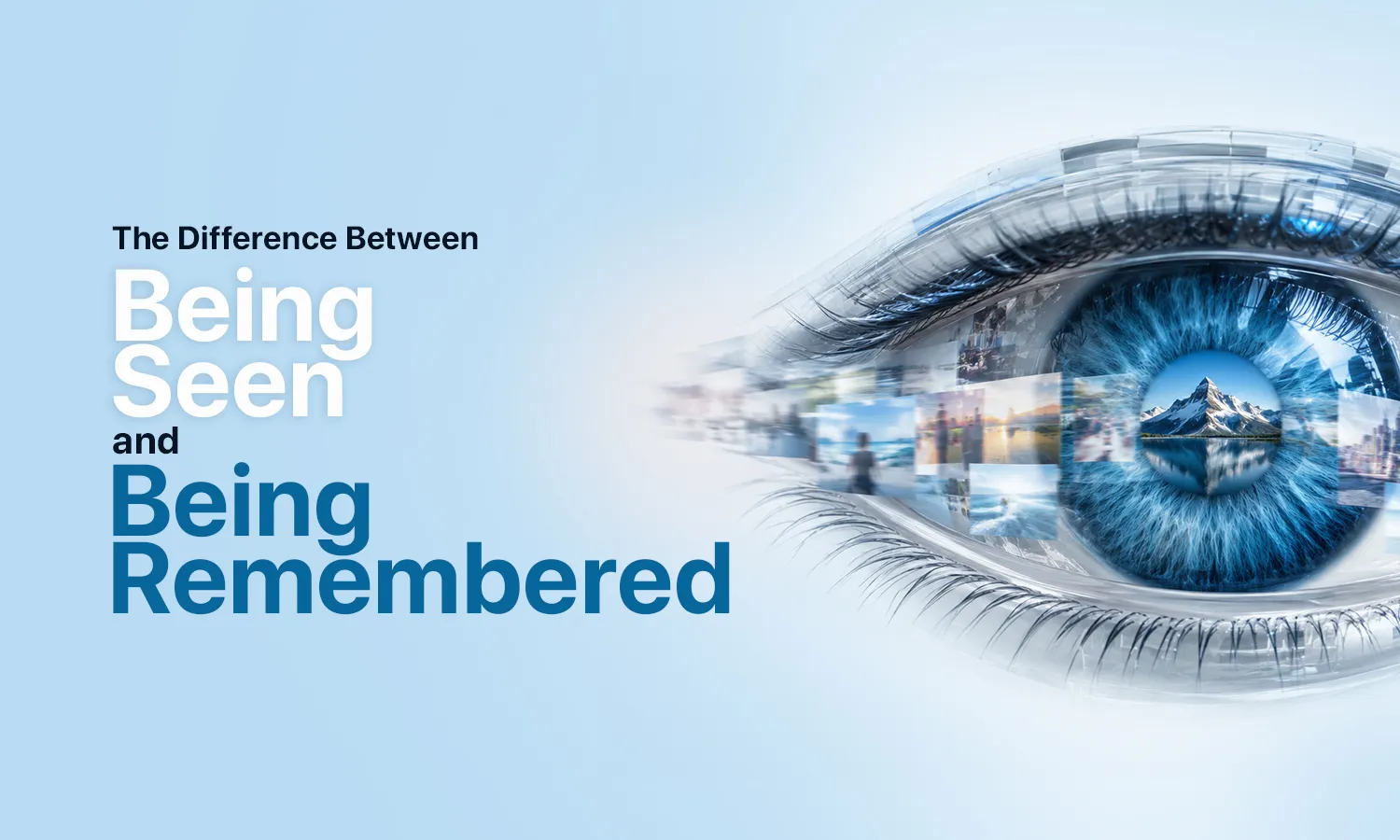
But what really matters is the advertising memorability. And that is where the real difference begins.
Getting noticed is not particularly difficult anymore.
Jump on the bandwagon. Make it louder. Make it faster. Put a celebrity in it. Add a trending sound. Catch the meme before it expires. Optimise the media. Boost the post. There are endless ways to manufacture a moment of attention.
The harder question is, once that moment is over, how long does the audience associate with you?
The brands we remember rarely have just one memorable advertisement. They have a recognisable way of showing up. A tone. A quirky tune. An identity. A phrase. A point of view. Sometimes even a particular emotion.
That is the difference between communication that gets attention and communication that builds identity.
Advertising has become exceptionally good at creating moments. But attention and memory do not necessarily travel together. What makes communication memorable is not necessarily what makes it noticeable.
Some of the most valuable work in advertising operates almost beneath conscious attention. A visual cue, a particular turn of phrase, a tone or even a recurring character, right from the iconic musical tune of Titan watches and the distinctive fizz sound of Coca-Cola, to the golden arches. The strongest brands build on what the audience already knows, without letting go of the cues that have made the brand stand apart from the rest.
Consistency is often mistaken for repetition. It is about ensuring that when a brand changes its message, its medium or its creative expression, there is still something familiar underneath. There is a persistent pressure in advertising to keep reinventing. Some of that evolution is necessary. But when everything changes at once, the audience loses the ability to recognise what connects one communication to the next.
Nike has managed this particularly well. “Just Do It” has survived decades of changing athletes, cultural conversations and campaign styles because the expression can evolve without abandoning the larger idea. Last year it changed its existing iconic slogan into a reflective existential question “Why Do It?” that demonstrates the same principle; a new expression can still belong to an established brand world.
Blinkit, Zepto and Swiggy Instamart are all competing around variations of speed, convenience and instant delivery. Yet their communication increasingly demonstrates that a brand can create differentiation not only through what it promises, but through how it behaves.
Blinkit has turned everyday consumer behaviour into a source of dry, data-led humour. Zepto has leaned into hyper-local cultural references and wordplay. Swiggy has repeatedly used internet culture and irreverence as part of its communication style.
There is a reason brands invest so heavily in distinctiveness. At the point of decision, people rarely begin with a blank slate. They draw from what they already know, recognise and remember.
That makes memorability more than a creative ambition. It is a commercial advantage. That is why memorable brands are rarely the product of one brilliant moment. They are the result of many deliberate moments that add up to something bigger, a space in the mind that competitors cannot simply buy their way into.
Visibility can be purchased. Recognition has to be earned.
Brands become top brands when a top advertising and digital marketing agency puts efforts into a planning strategy and deriving ideas that will flourish with time. Tempest assures the same and hence is regarded as the top advertising and digital marketing agency in Hyderabad, Pune, Bangalore and Mumbai.
102, Sai Sagar Heights,
Prakash Nagar,
Opp, Begumpet Airport,
Secunderabad 500003,
Telangana, India.
No. 18, Niketan B,
Prabhat Road, Lane No. 10,
Erandvane,
Pune 411004,
Maharashtra, India.
Berachah,
#6, Stephens Road,
Frazer Town,
Bengaluru 560005,
Karnataka, India.
4, Common Wealth CHS Ltd,
1st floor, Opp Shopoers Stop,
Linking Road, Bandra West,
Mumbai -
400050,
Maharashtra, India.

For two decades now, we at Tempest have been building brands and making a difference to people's lives through advertising.
© Tempest Advertising 2024.