
A quirky 30-second video rack up 40 million views over a weekend. Meanwhile, a genuinely well-crafted campaign — sharp insight, clean strategy, strong production — quietly runs its media plan and disappears without a trace. If you've ever felt confused about why the internet rewards one and ignores the other, the data has an answer, and it's not the one most marketers want to hear: virality and effectiveness are measuring two almost entirely different things.
Virality isn't random. Researchers who've studied thousands of shared ads have found it follows a strikingly consistent emotional formula. Content that triggers high-arousal emotions — the kind that spikes your pulse, positive or negative — spreads far more than calm, low-arousal content. In an analysis of the most-shared viral video ads over nearly a decade, surprise appeared in 76% of them and happiness in 92%, often together. On the darker end, anger is even more potent as a single trigger: content that provokes anger carries close to a 38% likelihood of going viral — the highest share of any individual emotion studied.
This isn't incidental — it's psychological. An estimated 70% of consumer decisions are driven by emotion rather than logic, with roughly 95% of purchase-related processing happening below conscious awareness. Kantar's meta-analysis of digital ad pre-tests found that ads generating strong emotional response were four times more likely to build long-term brand equity — and four times more likely to go viral. Emotion, in other words, is genuinely doing real work. The problem isn't that virality is meaningless. It's what happens after the emotion fires.
Here's the uncomfortable statistic that should reframe how every marketer reads a "viral hit": research from the Ehrenberg-Bass Institute, studying over a hundred TV ad campaigns, found that only 16% of advertising is both recalled and correctly attributed to the right brand. A separate Google/Ipsos study found ad recall rose just 13 percentage points above a no-exposure baseline for standard video ads. Put plainly: the overwhelming majority of ads people remember, they don't remember whose they were.
Virality makes this worse, not better, because viral content usually spreads exactly because of its emotional hook — the joke, the shock, the surprise twist — and that hook, not the brand, is what gets shared, screenshotted, and remembered. People pass along the feeling. They forget who paid for it. A campaign can hit every distribution benchmark and still fail the only metric that actually matters to a business: did anyone connect this to us.
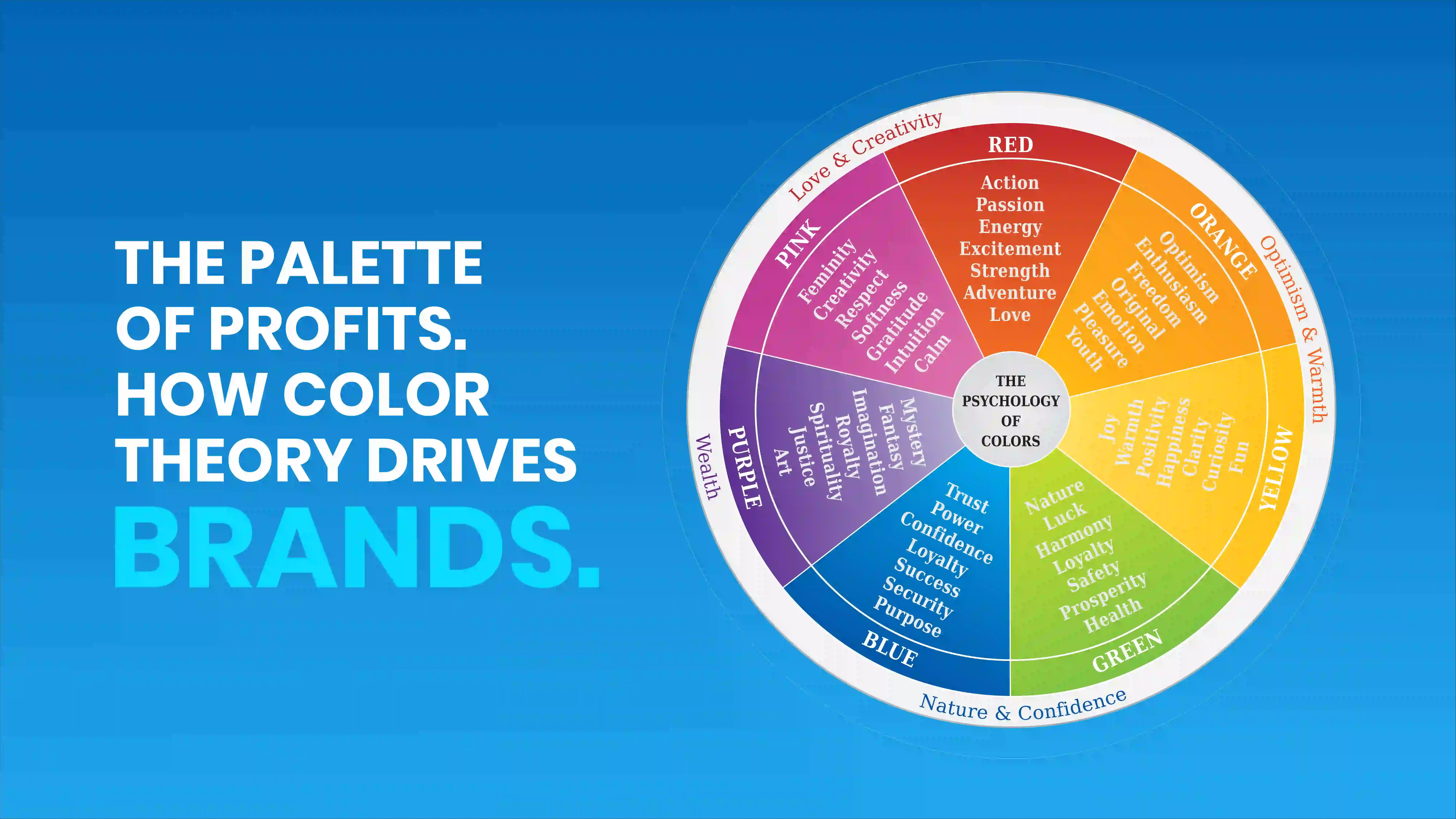
This is where the "ignored but better" ads earn their reputation quietly. The Ehrenberg-Bass Institute's research on distinctive brand assets — consistent colors, shapes, characters, sonic logos, taglines — shows that these assets typically take three to seven years of consistent use before they become genuinely distinctive in a category. That is not viral-content math. It's compounding-interest math. A "boring" ad that repeats the same visual codes, the same tone, the same brand color month after month isn't failing to be creative — it's making a long-term deposit into what marketing scientists call mental availability: the likelihood your brand comes to mind at the moment someone is ready to buy.
The stakes for skipping this are measurable. Brand recall can fall by 50% within just three to four months of pausing consistent advertising. And attention itself is getting scarcer to hold onto — recent cognitive-load research shows the average consumer's unaided recall set in a saturated category has shrunk to just 2.8 brands, down from 3.5 a few years ago, with Gen Z recalling even fewer. In a landscape that competitive, an ad's job usually isn't to be shared. It's to be remembered as yours the next time someone is standing in the category, ready to choose.
The stakes differ by category, but the principle holds everywhere. A healthcare digital marketing agency in Hyderabad chasing viral shock value for a patient-trust campaign will actively damage the brand it's trying to build — this is a category where consistent, credible distinctive assets matter more than any single viral moment. A real estate digital marketing agency is playing an even longer game: the buyer who shares your funny reel today may not transact for another eighteen months, and only consistent brand memory survives that gap. An agriculture digital marketing agency and educational digital marketing services providers face the same truth — these are high-consideration, trust-first categories where a performance marketing agency worth its fee is optimizing for recall and attribution, not just click-through or share count.
This is exactly the judgment call that separates a strong digital marketing agency in Mumbai from an average one — or the best advertising agency in Mumbai from a competent advertising agency in Mumbai simply chasing views. The strongest digital marketing and advertising agency in Pune, or any serious digital media company in Mumbai, should be able to tell you honestly whether a brief calls for a viral swing or a mental-availability campaign — because they are not the same brief, and pursuing the wrong one wastes budget either way.
Going viral and being effective can absolutely happen in the same campaign — but virality is never proof of effectiveness on its own. It's proof that an emotion spread. Whether your brand spread along with it is a completely separate question, and for 84% of advertising, the answer is no. The "ignored" ads that quietly build a distinctive color, a consistent tone, and a memorable brand link over years aren't losing to the viral ones. They're just being measured on a scoreboard nobody's watching in real time — until the day someone needs exactly what that brand sells, and finds it's the only name they remember.
Brands become top brands when a top advertising and digital marketing agency puts efforts into a planning strategy and deriving ideas that will flourish with time. Tempest assures the same and hence is regarded as the top advertising and digital marketing agency in Hyderabad, Pune, Bangalore and Mumbai.
102, Sai Sagar Heights,
Prakash Nagar,
Opp, Begumpet Airport,
Secunderabad 500003,
Telangana, India.
No. 18, Niketan B,
Prabhat Road, Lane No. 10,
Erandvane,
Pune 411004,
Maharashtra, India.
Berachah,
#6, Stephens Road,
Frazer Town,
Bengaluru 560005,
Karnataka, India.
4, Common Wealth CHS Ltd,
1st floor, Opp Shopoers Stop,
Linking Road, Bandra West,
Mumbai -
400050,
Maharashtra, India.

For two decades now, we at Tempest have been building brands and making a difference to people's lives through advertising.
© Tempest Advertising 2024.